Talking Pictures: when things talk back
Hold a button, ask anything in your own language, and it answers out loud, as itself, in about 2.5 seconds.
The AI zone at Technopolis on the national news
VRT news at Technopolis in Mechelen, home of Juan, the talking cactus.
Planning something like this for your venue? Tell us about it.
Three steps, no app
Nothing to download, nothing to scan, nothing to log into.
Hold the button and ask
A microphone and a button sit beside the artwork. Children work it out without being told.
The AI checks the story
It searches the approved material your curators and experts. No internet searches and no confusion.
A clear answer
In its own voice, in character, in the language the visitor used. Then comes the next question. There is always a next question.
Eight talking installations in Belgium
Paintings, soldiers, a war hero, a cactus, a canal and two interviewers. Each one has its own page.
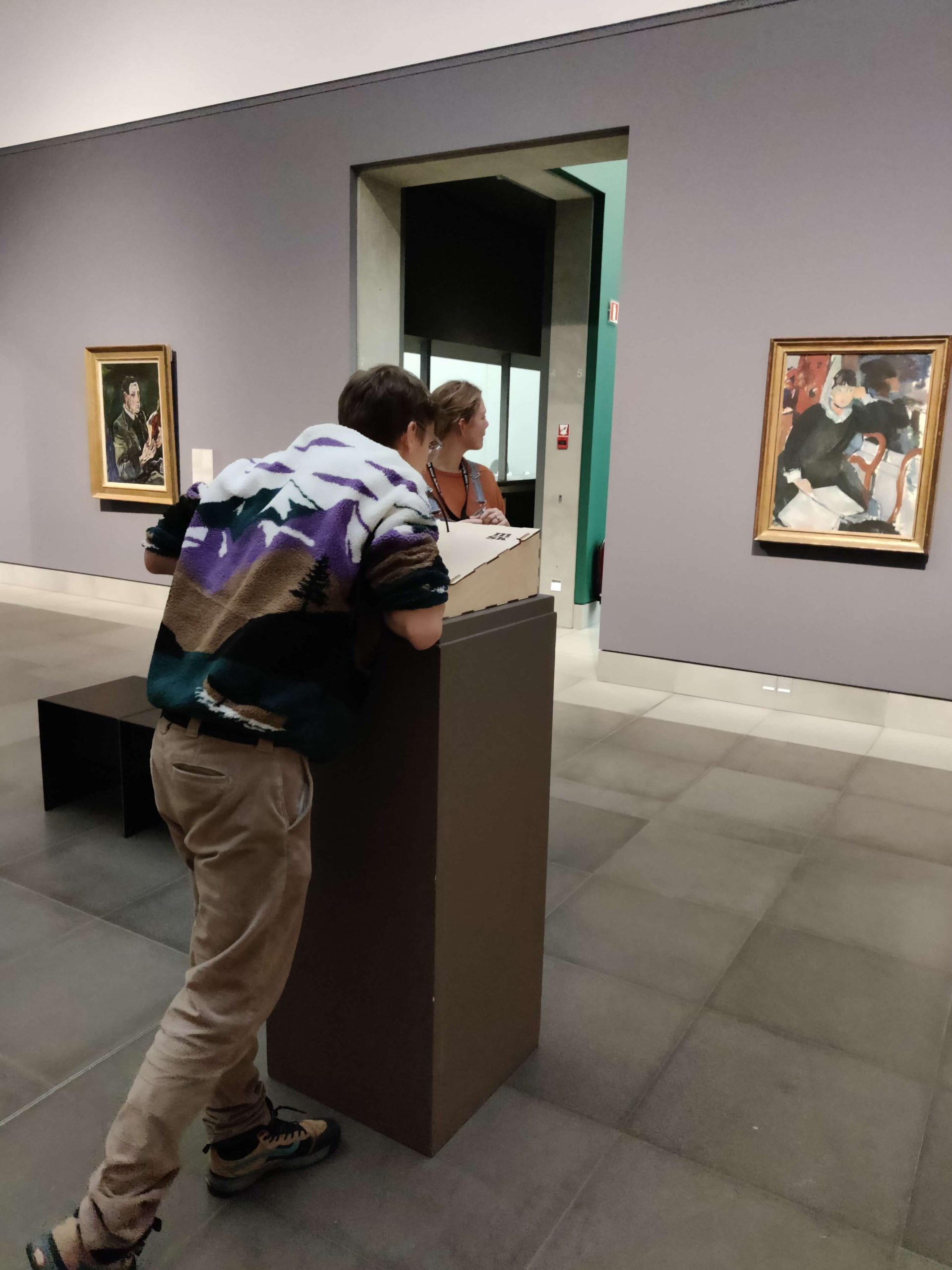
Two talking paintings
Two artworks at the Museum of Fine Arts answer in four languages.
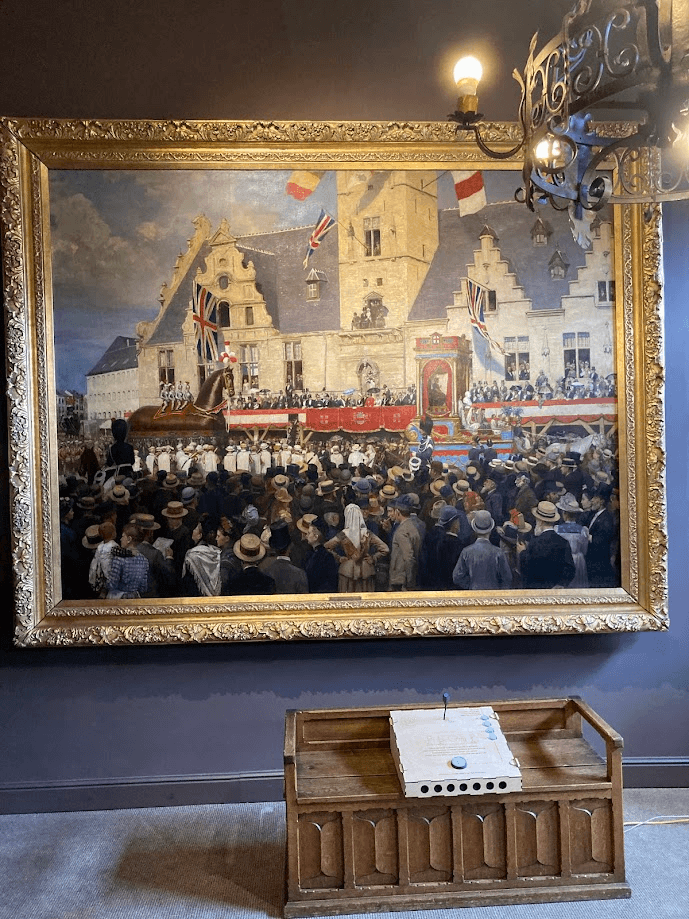
The Ros Beiaard painting
Jan Verhas’s 1888 procession canvas tells the legend of the horse and the four brothers.
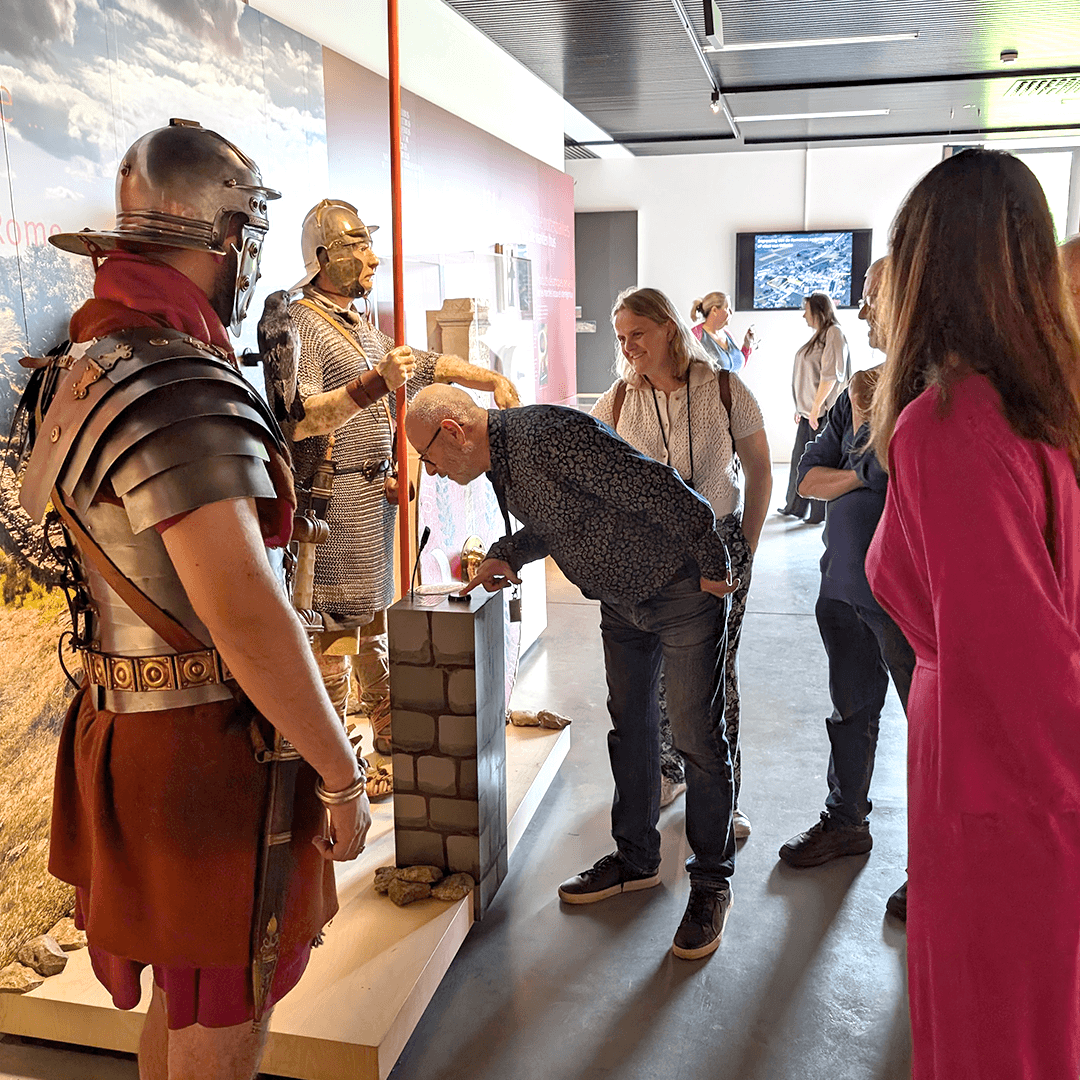
Two Roman soldiers
Julius and Quintus answer in character, each from his own century.
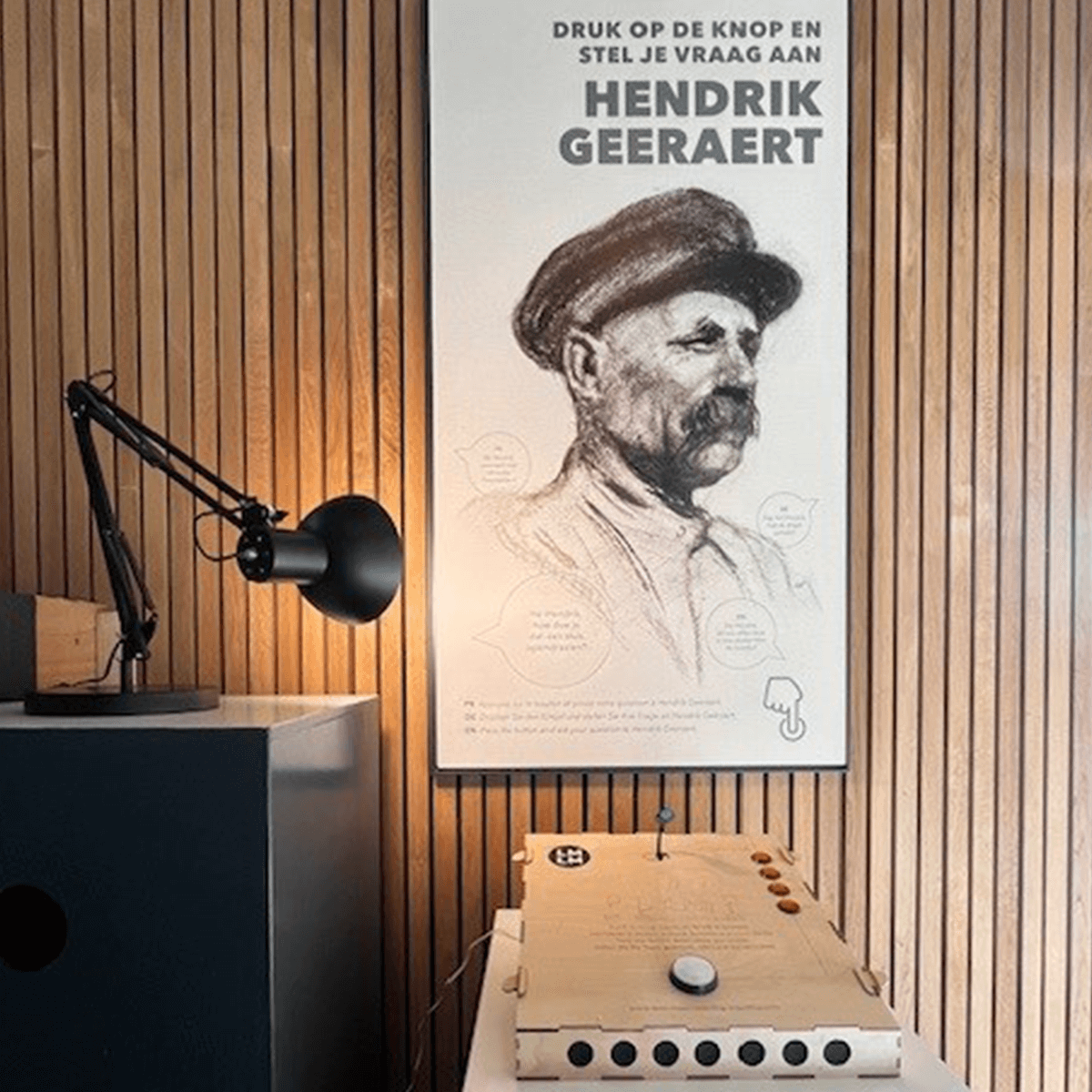
Hendrik Geeraert, WWI hero
The lock keeper who flooded the Yser plain in 1914 answers back, grumpily.
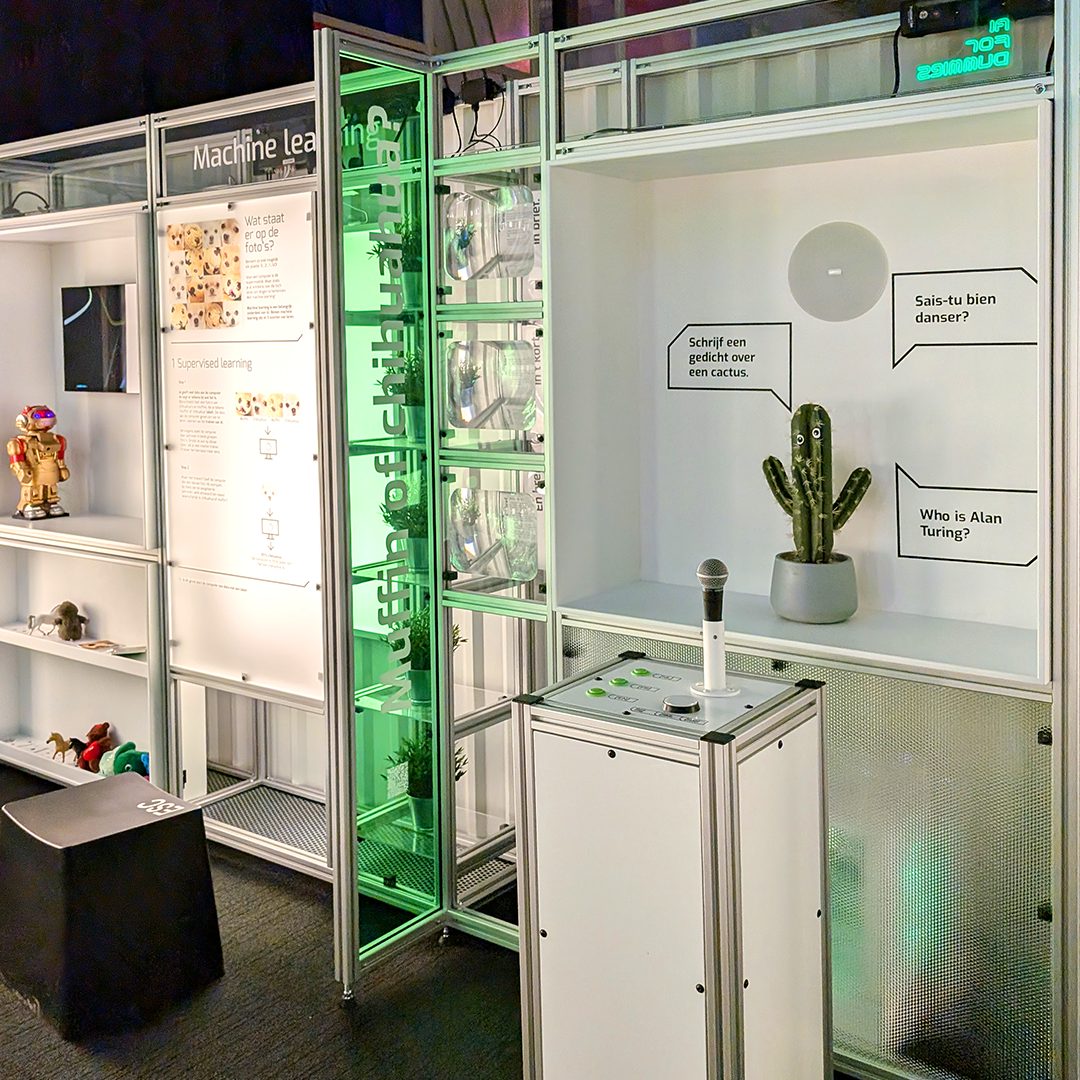
Juan, the talking cactus
The star of the AI zone. Ask him anything and get sarcasm back.
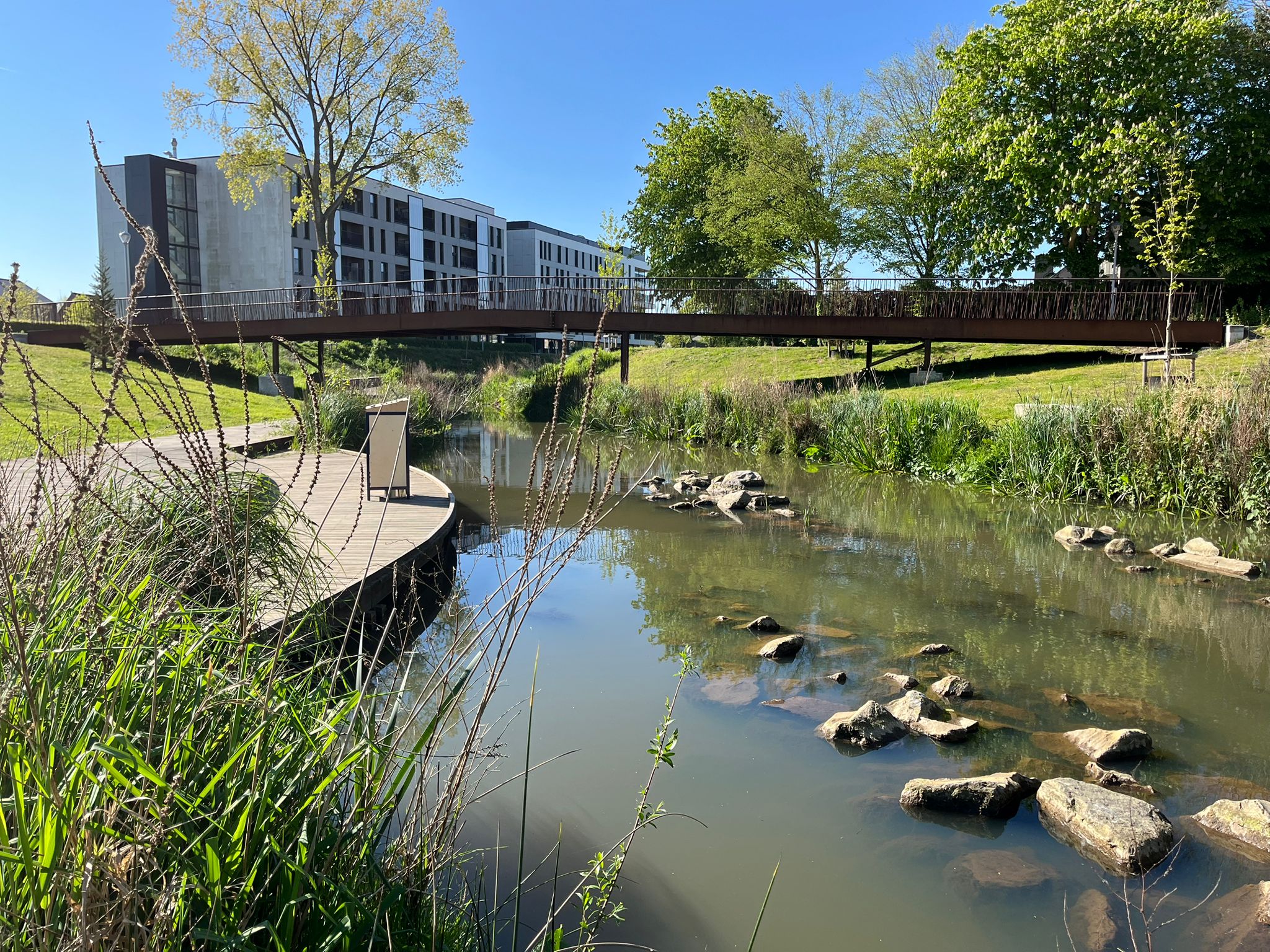
The Waterpraatpaal
The canal water speaks for itself, in a mood set by live sensor data.
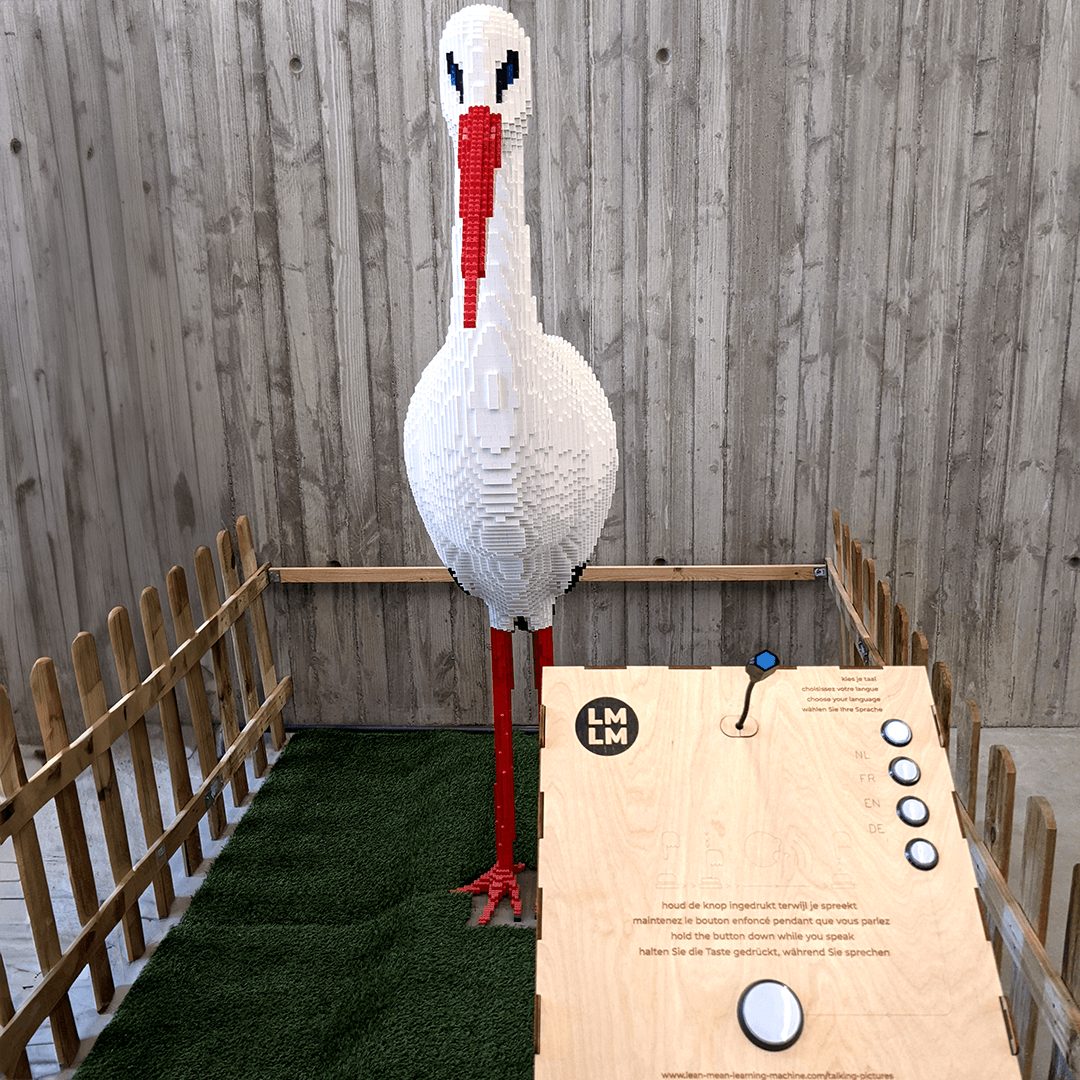
The Lego stork interviewer
The exit survey is a stork that asks the questions: 7,000 interviews in nine months.
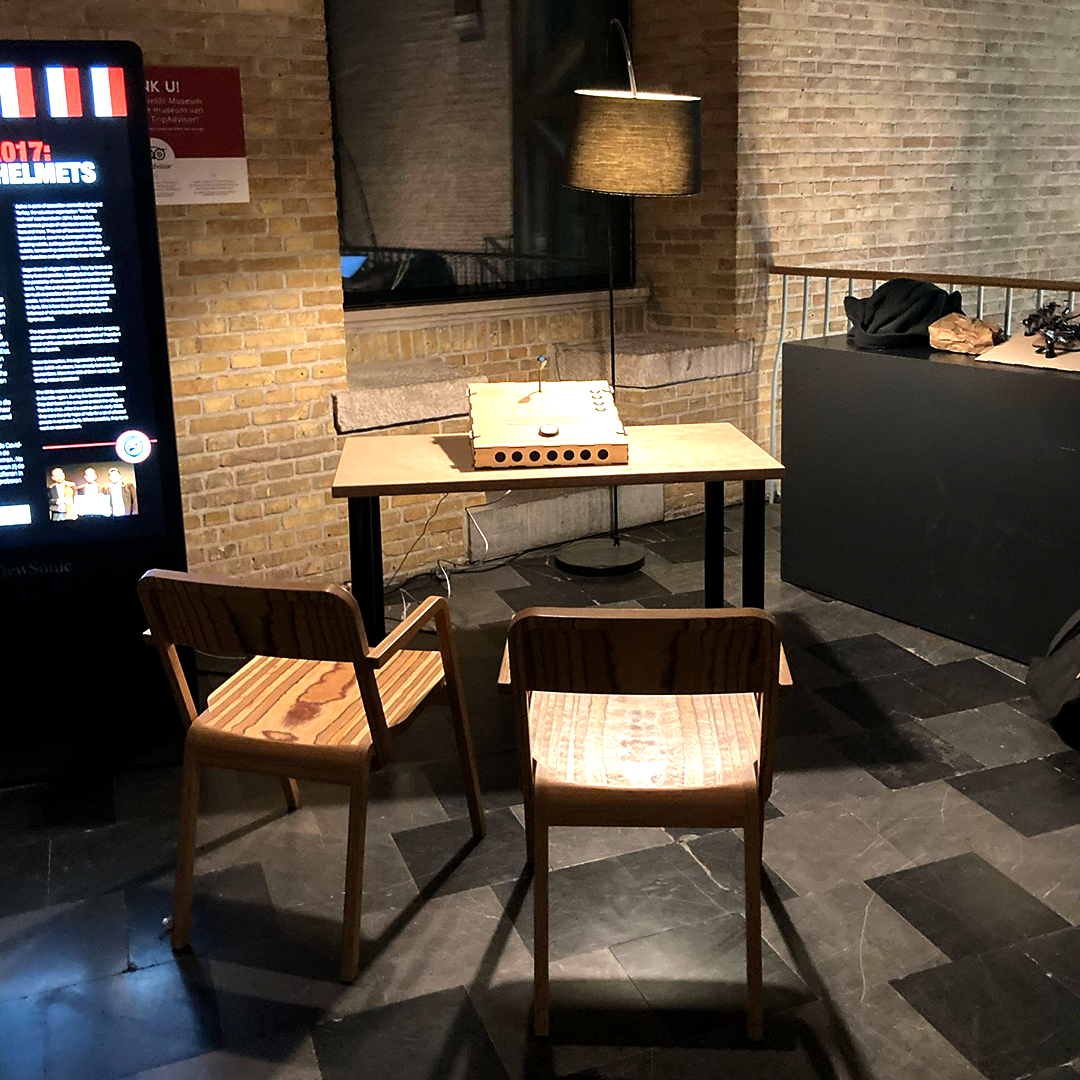
The AI interviewer
Asks departing visitors what stayed with them, feeding the museum’s new permanent exhibition.
Two conversations, recorded on the floor
Every answer in these clips was generated on the spot.
The Velzeke soldiers take their first questions
The news report on the opening, July 2024. Ask the Romans.
More than a talking exhibit
The same three things ship with every installation.
Every question is logged anonymously. You get a daily log file and a monthly report, so you learn what visitors actually want to know. The Velzeke soldiers alone logged 9,000 questions in 7 months.
Your curators stay the source. They provide the information, the AI rephrases it and nothing else. It does not replace your guides or experts, it just answers when they are not around.
Turn it around and the figure asks the questions. The stork at Zwin and the interviewer at In Flanders Fields run the exit survey out loud, follow up on vague answers, and turn the lot into a filterable report.
The first talking painting, at the Museum of Fine Arts in Ghent
Winter 2023: 1 painting, a 6-week trial and a lot of questions.
What the museum wanted
- More visitor engagement.
- A first with new technology.
- An eye catcher for Museum Night, when every museum in Ghent stays open until midnight.
What we did
- Started with 1 painting: The Cattle Shed by Jenny Montigny (1907).
- Put it on the floor for a trial period and tested the AI with real visitors.
- Launched on Museum Night, December 2023. Then added a second painting.
The full story, with the second painting and the news items: Talking paintings at the Museum of Fine Arts.
What 863 conversations with a painting look like
Every interaction from one week in December, logged, interpreted, and sorted.
Sentiment over the same week: 15.9% positive, 83.3% neutral, 1.4% negative.
What the 547 real questions were about
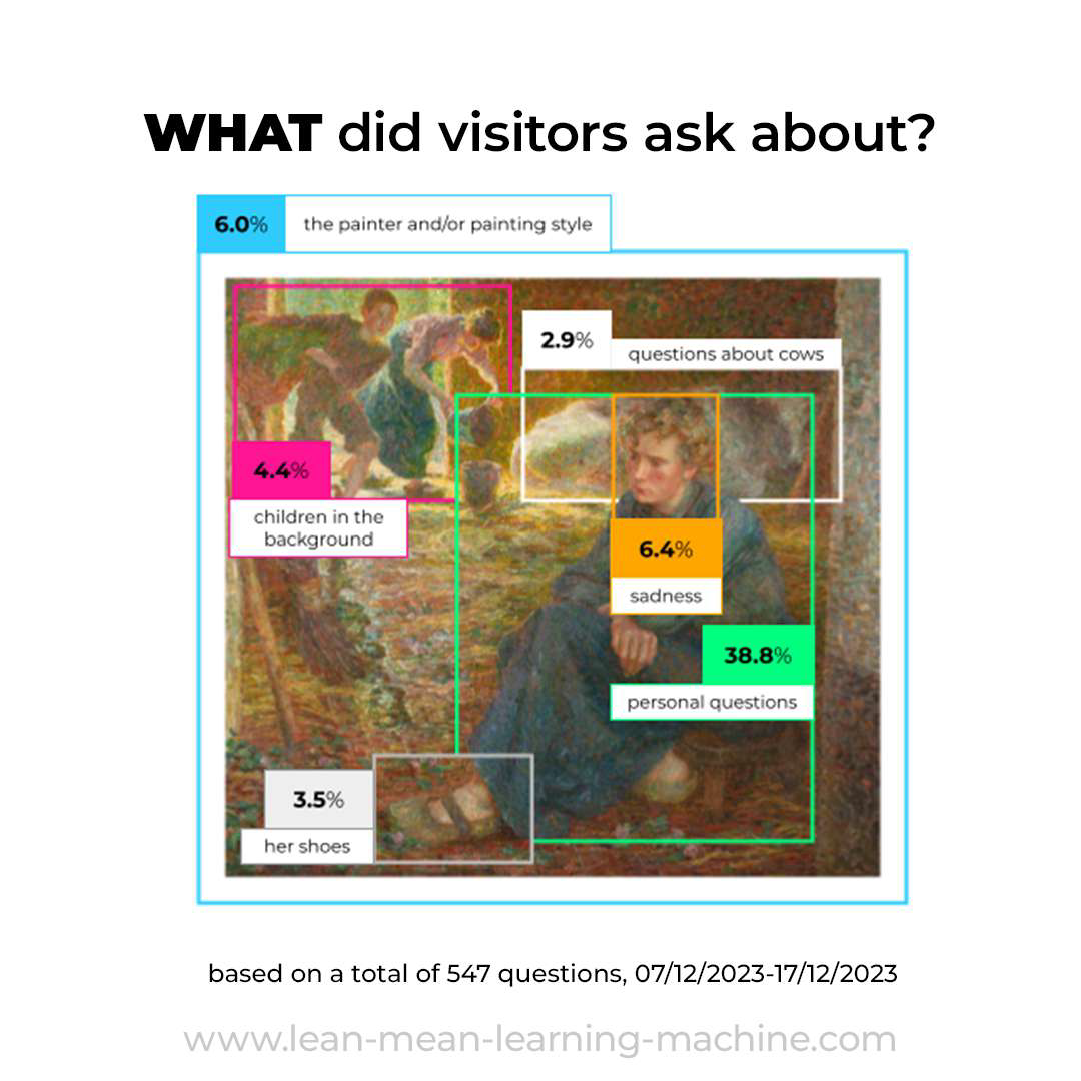
Most questions went straight to the woman on the stool. Click the diagram to enlarge.
- Visitors ask about what they see, far more than about the painter or the style. Her sadness, the children, the cows, her shoes.
- They talk TO her, not ABOUT her. “Why are you wearing those shoes?”, not “what shoes is she wearing?”.
- The museum learned what people actually want to know, which is not what the wall text tells them.
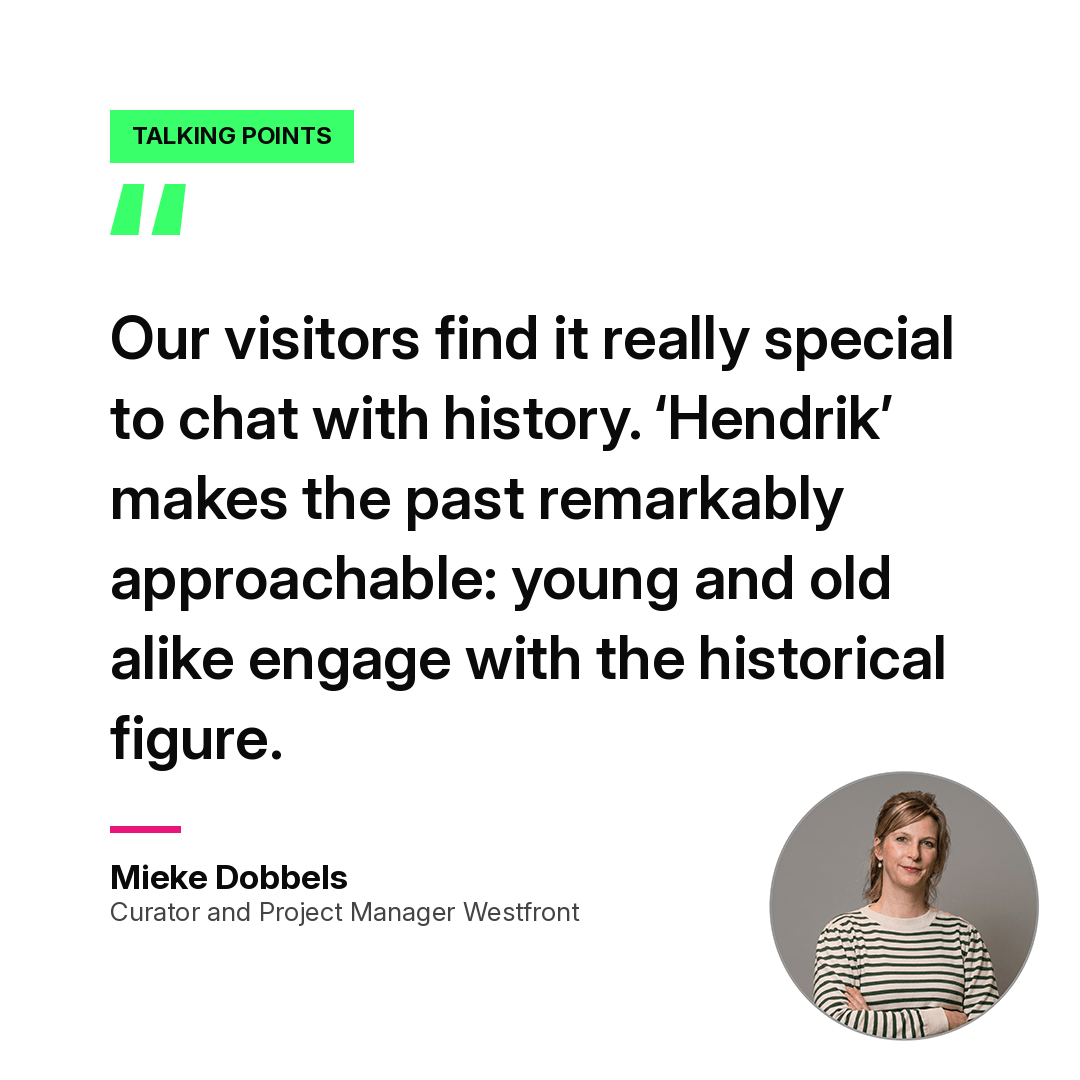
Three venues, in their own words
Six steps, a few weeks to a few months
The scope sets the timeline. We work hand in hand with your curators the whole way.
What you do
- Decide what talks, where and how.
- Provide the expert information. We go through it with your curators so every fact is right.
- Make sure there is WiFi or Ethernet at the spot.
- Test the installation with us.
- Get the word out.
What we do
- Train the AI on your material.
- Provide the software and the hardware.
- Build the casing, or fit the console into yours.
- Test internally, then on the floor.
- Install on site.
- Deliver the log files and the reports.
What museums ask us first
Does the artwork invent answers?
No. When a question falls outside what it learned, it says so instead of guessing, in character.
Can it be an object, not a person?
Anything with a story works: a painting, a statue, a mannequin, a cactus, a canal. A character is written for it and the rest is the same system.
Does it survive a school group?
It thrives on it. Every pupil gets a turn at the microphone and the answers keep coming all day.
Does it speak my language?
Probably. There are 36 to pick from, Arabic to Vietnamese, with Dutch, French, German and English in between. Each installation gets the languages your visitors actually speak, 1 button per language.
What about a front desk instead of an exhibit?
That is a Talking Point, the sister product below.
What does it cost?
It depends on 3 things: how much material the artwork has to learn (more information means more testing), the casing (ours or your own), and extras like a specific voice, more languages or custom reporting. The ROI calculator gives an estimate in 2 minutes, a call gives you a quote.
Need a desk that answers, not a showpiece? That is a Talking Point
A kiosk at your entrance that answers the practical questions with speech and video, in the visitor’s language, and reports weekly what was asked.
See a painting hold a real conversation
Pick a slot below and we bring a talking artwork to your screen.
Prefer to write? The form is right below · or explore Talking Points.
Tell us which artwork should speak first
We usually reply within one working day. Your details stay with us.